
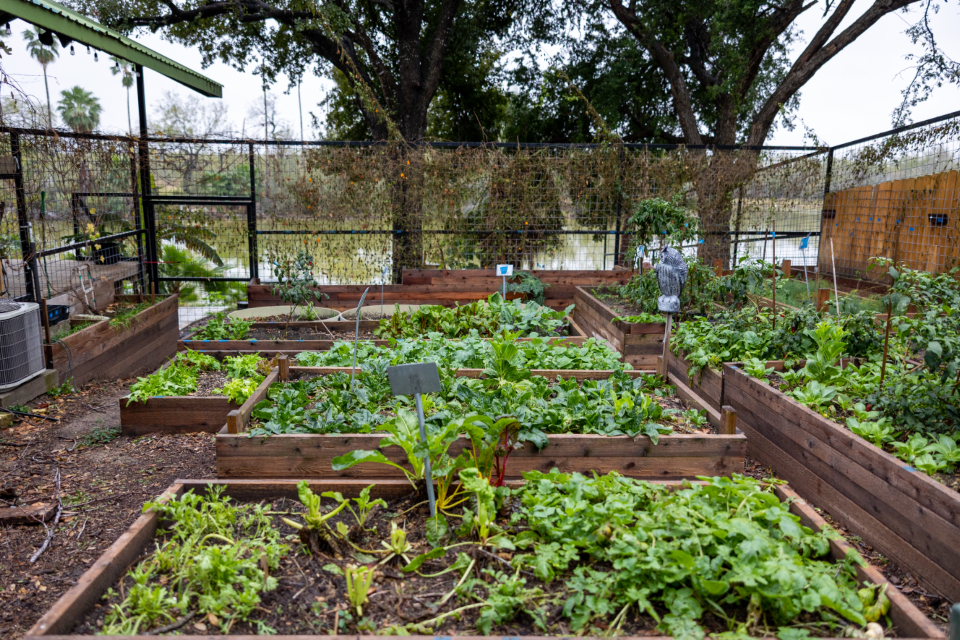

A Garden Is the Slowest Team Sport There Is
Nothing about a community garden happens quickly. Soil takes seasons to improve. Perennials take years to establish. The person who plants an asparagus bed is doing a favor for whoever holds that plot three summers from now. That slowness is the whole point, and it is what makes a garden different from most other community projects: it rewards people who keep showing up, and it quietly builds relationships between neighbors who would otherwise never speak.
It is also real physical activity that nobody thinks of as exercise. An afternoon of digging, hauling, bending, and carrying water is a legitimate workout, spread across hours in a way the body handles well. Add sunlight, fresh air, and a task that produces food, and community gardening ends up doing several jobs at once: movement, nutrition, mental health, and neighborhood connection, all from the same patch of dirt.
What a Community Garden Actually Is
The term covers several different models, and choosing the wrong one for your group is the most common early mistake. Some gardens are divided into individual plots that members rent for a season and manage alone. Others are communal, worked collectively with the harvest shared or donated. Many are hybrids, with individual plots around a shared perimeter of berries, herbs, and a compost system.
Individual plots are easier to administer and give members clear ownership, which reduces conflict. Communal gardens build stronger relationships and handle absent members more gracefully, but they need a coordinator with real authority or the work quietly falls on three people. Hybrids get the best of both when the shared portion is small enough to maintain in a single monthly workday.
- Plot gardens suit mixed commitment. When members have wildly different schedules and gardening experience, separate plots let a beginner fail privately without dragging down anyone else’s harvest.
- Communal gardens suit a mission. If the goal is donating produce to a food pantry or teaching a class, collective beds keep everyone working toward the same visible outcome.
- Hybrids need clear boundaries. Mark exactly where personal plots end and shared space begins, because ambiguity about who waters the herb bed becomes the first real argument.
- Size to your labor, not your ambition. A well-tended quarter acre beats a weedy full acre every time, and it is far easier to expand later than to shrink after a failed season.
Finding Land and Water
Land is usually easier to secure than new organizers expect. Churches, schools, community centers, municipal parks departments, and even utilities often hold underused open ground and are receptive to a serious proposal. What they need is reassurance about liability, appearance, and who cleans up if the project ends.
The questions to answer before you ask
Come to the conversation with the essentials already worked out: how many plots, who maintains the perimeter, what happens in winter, what insurance you carry or can be added to, and who the single point of contact is. A one-page proposal that anticipates the landowner’s worries converts far better than enthusiasm alone.
Water decides everything
Before committing to a site, find the water. A garden without an on-site spigot within hose reach becomes a hauling operation, and hauling operations lose volunteers by July. Ask specifically who pays the water bill, because that unglamorous line item has ended more gardens than pests and drought combined. Rain barrels supplement but rarely replace a tap in a dry August.
Test the soil before you plant
Any site that was previously a parking area, an industrial yard, or the footprint of an old building needs a soil test for lead and other contaminants. Extension services run these cheaply. If results come back concerning, raised beds with imported soil and a barrier layer solve the problem completely, so a bad test is a design constraint, not a dead end.
The Governance That Prevents Arguments
Every long-running community garden has written rules, and every short-lived one thought rules were unnecessary among friendly neighbors. Written expectations are not bureaucracy. They are what lets a coordinator address a problem without it becoming personal.
- Define abandonment. State plainly how long a plot can sit untended before it is reassigned, with a warning step first; without this, weeds from one neglected bed seed the entire garden.
- Set a shared-work expectation. A few hours per season on common areas, tracked simply, spreads the invisible labor of paths, compost, and fences beyond the two most conscientious members.
- Write the chemical policy. Decide together whether synthetic pesticides and herbicides are permitted, because a neighbor spraying upwind of an organic plot is a conflict with no good resolution after the fact.
- Name the harvest rules. Say clearly who may pick from shared beds and when, and post it, since most produce disappearances are honest misunderstandings rather than theft.
- Keep fees modest and transparent. A small seasonal fee covering water, seed, and tools creates commitment and a budget, and publishing where the money went prevents suspicion.
The Physical Side Nobody Warns You About
Gardening injuries are common and almost entirely preventable. The pattern is predictable: someone does nothing physical all winter, then spends six hours turning beds on the first warm Saturday in April, and spends the following week unable to stand up straight.
The fix is to treat garden work like any other physical activity. Warm up by walking the site and doing a few easy movements before the shovel comes out. Alternate tasks so the same joints are not loaded for hours — twenty minutes of digging, then some pruning, then hauling, then weeding on a kneeler. Bend at the hips and knees rather than rounding the back to lift a full bucket. Set a timer and stand up.
Kneeling pads, long-handled tools, and a wheelbarrow are not signs of weakness; they are what makes a fifth consecutive season possible. Sun protection deserves the same seriousness. A wide-brimmed hat and a water bottle at the plot edge prevent the heat exhaustion that sends gardeners home in June.
Growing Food That People Will Actually Eat
New gardens overplant zucchini and underplant everything anyone wants in quantity. A more useful planning approach starts from the kitchen: what does this group cook, and what is expensive to buy?
Salad greens, herbs, cherry tomatoes, beans, and peppers give high return for the space and keep producing across weeks rather than delivering one enormous harvest. Root crops store well and forgive irregular attention. Anything that must be picked at a precise moment, or that ripens all at once while half the members are on vacation, deserves a smaller share of the beds.
Succession planting — sowing a short row every two or three weeks instead of everything at once — is the single technique that most improves a community garden’s output. It smooths the harvest, matches the way people actually eat, and keeps the beds looking cared for through the whole season instead of going ragged in August.
Plan for surplus before it arrives. A standing arrangement with a food pantry, a shelf near the gate for giveaways, or a monthly swap table means excess produce feeds someone instead of rotting in a wheelbarrow, which is the outcome that quietly demoralizes a garden.
Bringing In People Who Have Never Gardened
Community gardens tend to fill with people who already garden, which is a missed opportunity. The neighbors who would benefit most — families short on fresh produce, older adults who want a reason to be outside, teenagers with nothing to do — usually assume the garden is for experts.
- Run one open workday a month. An advertised session where anyone can turn up, be handed a tool, and be told exactly what to do lowers the barrier far more than an application form does.
- Pair newcomers with regulars. A first-timer beside an experienced gardener learns more in two hours than from any amount of written guidance, and leaves knowing someone by name.
- Offer a half plot. Full plots overwhelm beginners; a smaller starting bed produces a successful first season instead of an abandoned jungle and a quiet resignation.
- Post in plain language. Skip the horticultural vocabulary in your signs and notices, and say what a member is expected to do, when, and for how long.
Why the Slowness Is the Reward
The produce is genuinely valuable, but ask anyone who has kept a plot for five years what they got out of it and the answer is rarely the tomatoes. It is knowing forty neighbors by name. It is the retired machinist who fixed the gate hinge, the family who took over a plot when someone got sick, the kid who ate a raw pea pod for the first time and demanded another.
A garden also gives people a legitimate reason to be outdoors and moving several times a week, without ever calling it exercise or asking anyone to sign up for a program. That is a rare quality. It arrives disguised as watering, weeding, and hauling compost across a lot on a Saturday morning, and it accumulates, season after season, into something a neighborhood would fight to keep.
