
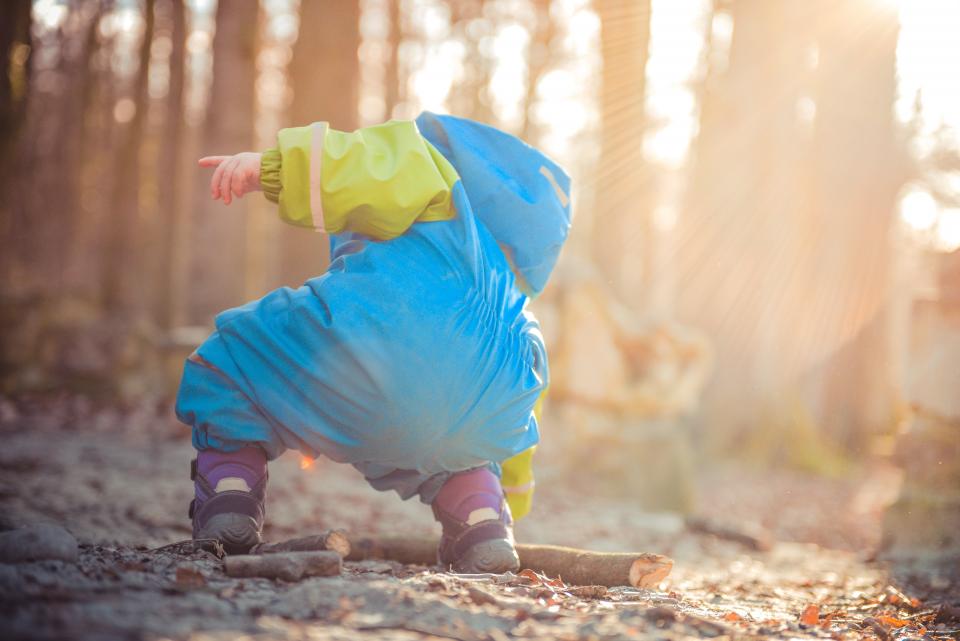

Children Do Not Need to Be Taught to Play Outside
They need to be allowed to, given somewhere to do it, and not interrupted. Most of what passes for encouraging outdoor activity is actually organising it, and organised activity is not the same thing as play.
The distinction matters. Structured sport has real benefits, but unstructured outdoor time does things that scheduled activity does not — and it is the part that has declined most sharply.
What Unstructured Time Provides
- Physical literacy develops through varied, unpredictable movement — climbing, balancing, jumping from awkward heights — more than through repetitive drills.
- Risk assessment is learned by taking small risks and occasionally getting it wrong at low cost.
- Negotiation and conflict resolution happen when children make and enforce their own rules without an adult adjudicating.
- Boredom tolerance, which is where invention comes from, requires periods with nothing scheduled.
Getting Out of the Way
The hardest part for most adults is not providing opportunity but resisting the urge to improve it.
Children playing outdoors will do things that look pointless, inefficient or mildly hazardous. Intervening in each of those moments removes precisely the value of the activity. The useful posture is present but uninvolved — close enough to help if something goes genuinely wrong, far enough not to be consulted about everything.
- Resist suggesting improvements to whatever they have invented.
- Allow appropriate risk. A fall from a low branch teaches something a warning does not.
- Do not narrate or photograph continuously. Being observed changes play.
- Let them be bored for longer than is comfortable before offering anything.
Practical Barriers, Practically Solved
Most families face the same handful of obstacles, and each has a workable answer.
Weather is a clothing problem rather than a reason to stay in. Waterproofs and boots that can be ruined convert most of the year into usable time, and children object to rain far less than adults expect.
Time is usually a matter of default rather than availability. Twenty minutes outside after school, every day, adds up to more than an ambitious weekend plan that happens twice a term.
Space is less of a constraint than it appears. A small garden, a verge, a patch of scrub at the end of the road — children need somewhere with loose parts and few rules more than they need a designed play area.
What Actually Draws Them Out
- Water in any form — a stream, a puddle, a bucket — occupies children almost indefinitely.
- Loose materials. Sticks, stones, sand and offcuts get used in more ways than any purpose-built equipment.
- Somewhere to climb, which need not be tall to be interesting.
- Other children, which outweighs every other factor combined.
- A destination — a specific tree, a bridge, a place where something was seen last time.
Sport as a Complement
None of this argues against organised sport, which teaches skills, teamwork and persistence that free play does not. The argument is against sport being the only outdoor time a child gets.
A useful test is whether a child ever chooses to go outside without being taken. If the answer is never, the balance has probably tipped too far towards the scheduled.
Modelling It
Children calibrate to what adults do rather than what they say. A parent who goes outside because they want to, in weather that is not ideal, without treating it as an achievement, communicates something no encouragement matches.
The most effective thing most families can do is unremarkable: go outside together, regularly, without a plan, and stay long enough for something to happen.
Age Changes What Is Needed
The same principles apply throughout childhood, but what they look like in practice shifts considerably.
- Under five, outdoor time is largely sensory — water, mud, texture, small creatures. Adult proximity is expected and welcome.
- Five to eight brings physical experimentation and elaborate invented games. This is the age where hovering does the most damage.
- Nine to twelve is when independent range matters — being allowed to go somewhere without an adult, within agreed limits, is developmentally significant.
- Teenagers usually need a reason rather than an invitation. Something to do — a sport, a job, a route to somewhere — works better than a suggestion to go outside.
The Independence Question
Independent outdoor range has shrunk dramatically within two generations, and most of that change is not explained by any measurable increase in danger. It is explained by traffic, by changed social norms, and by the fact that fewer children outside makes the ones remaining feel more exposed.
Reversing it individually is difficult, because a child alone outdoors is a different proposition from a group. Where it works, it usually works collectively — several families in a street agreeing on similar limits at similar ages, so that there are other children to be outside with.
That conversation with neighbours is awkward to start and tends to be met with relief. Most parents want the same thing and assume they are alone in it.
Read next: The Great Outdoors: What It Is and How to Start Using It
