
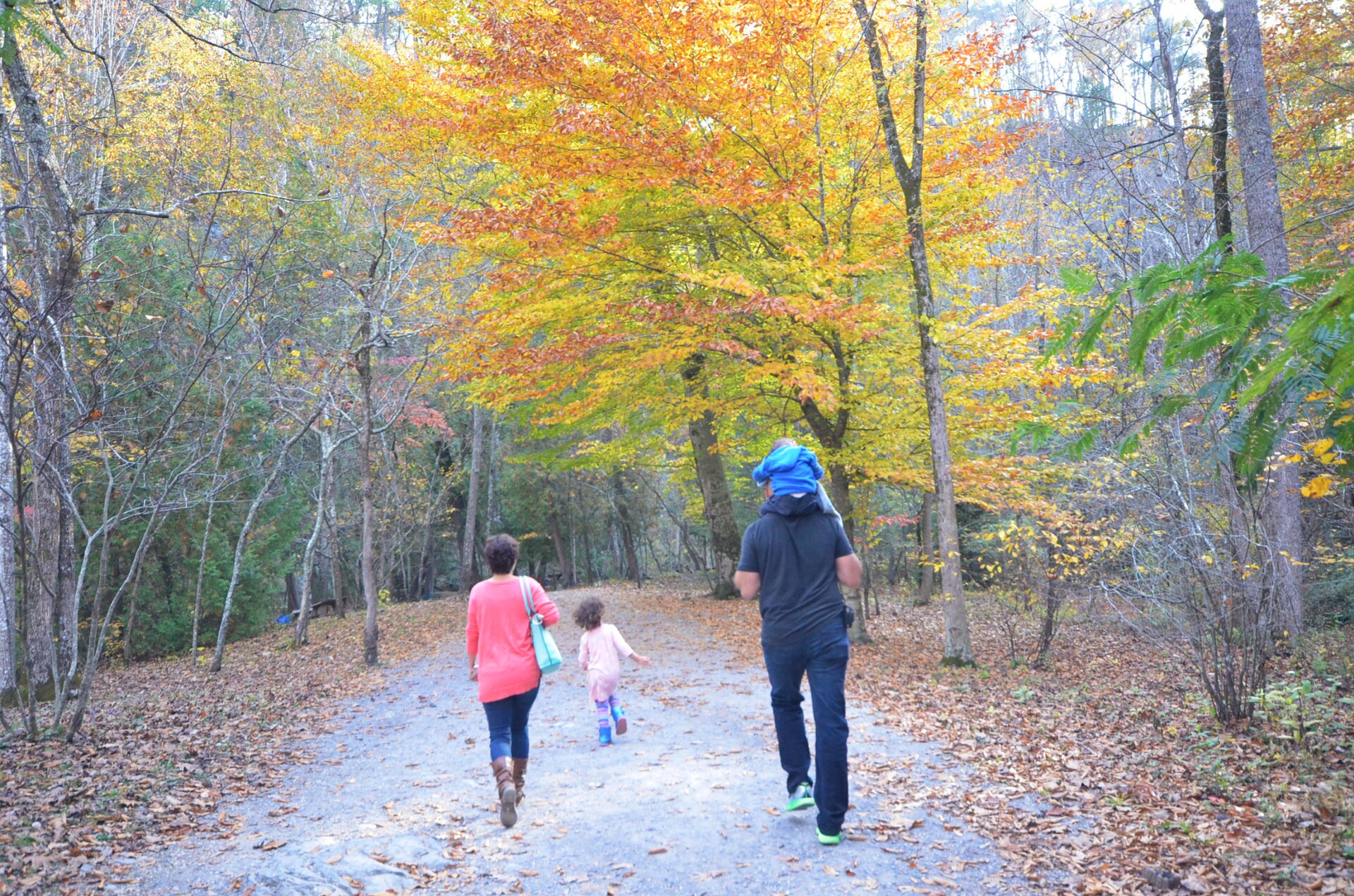

The great outdoors is simply recreation done outside, usually in natural settings, and you do not need to be an athlete to take part. It is pursued for exercise, general wellbeing and a sense of renewal, and the entry point can be as modest as a walk. This guide helps you choose what to try first.
What counts as the great outdoors?
The phrase covers more ground than most people assume. Outdoor recreation means any activity done outside, most often in natural settings, and it ranges from a quiet stroll to a demanding climb. Fishing, hunting, backpacking, walking and horseback riding all fall under it, and you can do any of them alone or with other people.
Because the category is so broad, the useful question is not whether you are an outdoor person. It is which kind of outdoor activity suits your current energy, schedule and curiosity. Some options are gentle and social, while others ask for stamina, technical skill or a willingness to take on risk.
A helpful way to sort the possibilities:
- Everyday and low-key: walking, dog walking, easy cycling, running.
- Water-based: canoeing, kayaking, rafting, sailing, surfing.
- Skill-building: hiking longer routes, camping, climbing, caving.
- High-challenge: activities with real physical demands or risk, which are sometimes called adventure recreation rather than extreme sport.
New hybrids keep appearing as people combine older pursuits. That is a reminder that the outdoors is flexible, and you can shape an activity around what you already enjoy.
Why it is not the same as a workout indoors
Outdoor recreation is typically pursued for three overlapping reasons: physical exercise, general wellbeing and spiritual renewal. That mix is what separates a walk along a creek from the same minutes on a treadmill. You get movement, but you also get changing light, uneven ground, weather and the presence of other people.
Competition also tends to take a back seat. Many outdoor activities can be classed as sports, yet they do not demand that you be an athlete, and the emphasis usually falls on doing something together rather than beating someone. For a person who has avoided gyms or team sports because of the pressure, that matters. You can go at your own pace, stop when you want and still count it as a good session.
Outdoor physical activity also does some quiet extra work. It can help you learn new skills, test your stamina and endurance, and take part in social activities. Group outings in particular give you a reason to show up and people who notice if you do not.
One note of caution: this article does not put numbers on any health benefit, because the figures people often quote vary by study and setting. What you can count on is the practical pattern. Activities that get you outside, moving and around others tend to be easier to sustain than ones that depend on willpower alone — a pattern observed across research into habit formation and exercise adherence, though the strength of the effect varies by study and setting.
How do you choose a first activity?
Start with what you would actually repeat. A first outing that feels like a chore will not turn into a habit, so pick something that fits the time you have and the effort you are willing to give. Use these questions to narrow the field.
- How much time can you give it? A short walk near home is easier to repeat than a half-day expedition.
- Do you want company? Many activities work alone or in a group, so you can begin solo and add people later.
- How much skill are you ready to learn? Walking asks for almost none. Trekking over longer distances or staying out overnight calls for basic survival skills, first aid and some orienteering.
- What is your fitness baseline? Cycling, swimming, jogging and long walks are all useful ways to build up before something more demanding.
Match the effort to the plan
Be honest about the gap between your ambition and your preparation. A day hike that ends back at a comfortable spot is a very different commitment from an extended or overnight trip. Begin with the first, and move up only when it feels easy.
Sports you already know can move outside
Games usually played indoors or on a field can shift to an outdoor setting for recreation and without the competitive edge. If you already enjoy a ball game, a casual version in a park is a gentle way in.
What if you do not live near mountains or wild country?
Much outdoor recreation does happen in sparsely populated places with mountains, lakes, rivers and rugged terrain, but that is not the only setting. Many cities create recreational areas for the people who live there, including parks, playgrounds and sports facilities. Some places also offer free access to a waterfront or beach, which turns an ordinary afternoon into an outdoor one.
For you, the practical step is to look at what is already close. A neighbourhood park, a greenway or a local trail can host walking, running, cycling or an informal group session. Community programmes and group outings also lower the barrier, because someone else has already chosen the route and set the time.
When you do go farther afield, check the access rules for the place you are visiting. Look up the specific park before you travel instead of assuming that what applies in one place applies in another.
Consider, too, that learning is part of the appeal. Outdoor activities are often used as a setting for education and team building, and some university programmes offer equipment rental and trip planning to students. If you have access to a programme like that, borrowing gear is a sensible way to try something before you buy anything.
Making it stick once you have started
The biggest risk is not a bad first outing. It is a good one that never gets repeated. A few habits make continuing easier.
- Keep the first routine small. Choose something you can do without a long preparation, so a busy day does not cancel it.
- Repeat the same place. A familiar route removes decisions, and you start to notice small changes from visit to visit.
- Bring someone along. Doing things collectively is central to outdoor recreation, and a standing arrangement with another person is hard to skip.
- Add one new element at a time. A different route, a slightly longer distance or a new activity keeps things interesting without overwhelming you.
If you are drawn to more technical pursuits such as mountain biking, you will want to build specific abilities before you attempt them. Balance, core strength and endurance matter, and so does knowing how to handle the bike and make basic repairs. Treat those as goals to grow into, not requirements for starting.
Above all, remember that the point is not to perform. The activity does not need to be impressive to count. A regular, modest habit of getting outside will usually serve you better than an occasional ambitious effort that leaves you tired and discouraged.
Frequently asked questions
Do you have to be athletic to enjoy outdoor recreation?
No. Many outdoor activities can be classed as sports, but they do not require you to be an athlete. Competition is generally less stressed than in organised team or individual sports, so you can go at your own pace.
What is the easiest outdoor activity to start with?
Walking is the simplest place to begin, because it needs very little skill or preparation. You can do it alone or with others, and it is also a good way to build the fitness needed for longer hikes.
What extra skills do you need for longer hikes?
Extended or overnight hikes call for basic survival skills, first aid and orienteering. A day hike that returns you to a comfortable base is a gentler step and a sensible way to practise first.
Can you try outdoor activities without buying equipment?
Often, yes. Some programmes, including certain university outdoor recreation programmes, offer equipment rental, so you can test an activity before committing money to gear.
Related reading
- Your First Time in a Kayak, Canoe or on a Board
- Family Adventure Days: Reconnect, Recharge, and Explore Together
Sources
- Outdoor recreation — Wikipédia (en.wikipedia.org, accessed 2026-11-09)
Photo: Family on trail at Natural Bridge State Park (30658626852), by vastateparksstaff, CC BY 2.0 (Wikimedia Commons)

