
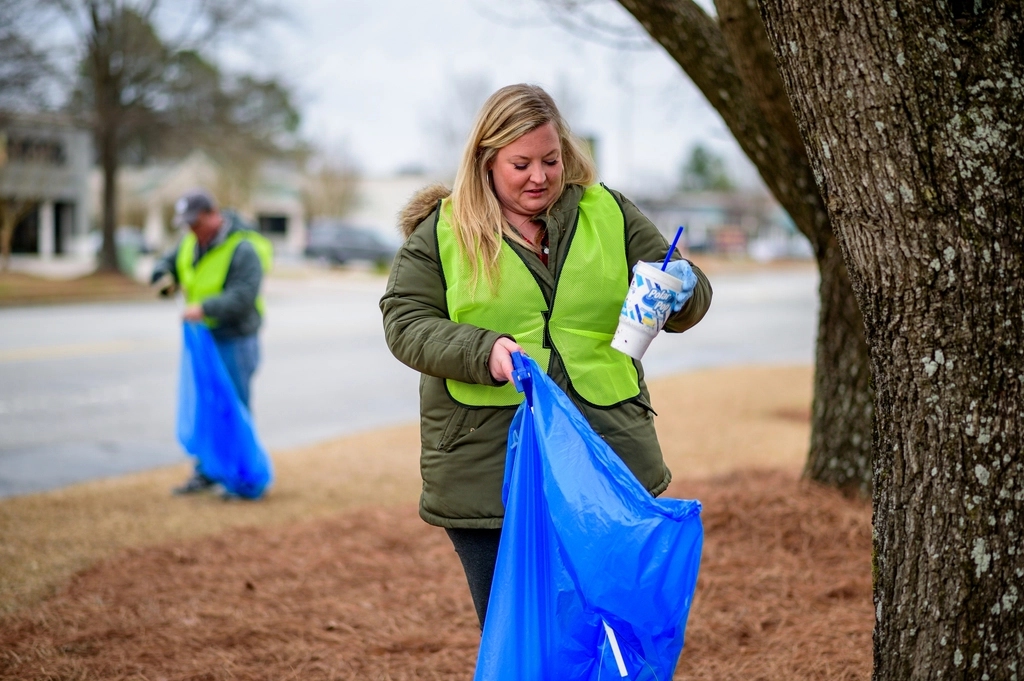

The Work Day Nobody Wants to Come To
The invitation usually reads something like: volunteers needed, 9am Saturday, litter pick, gloves provided. It is honest, it is well meant, and it produces the same seven people every time — the ones who would have come regardless.
Meanwhile there are dozens of people in the neighborhood who use that park constantly, complain about its condition regularly, and would happily give up a morning if the morning looked like something they wanted to be part of. The gap between those two groups is almost entirely a matter of how the day is designed.
Stewardship days are among the most rewarding things a community group can run. They are also easy to run badly, in ways that leave volunteers cold, bored, or occasionally injured.
Designing a Day People Enjoy
- Make it short and fixed. Two hours, clearly stated, starting and finishing at a named time. Open-ended commitments frighten people off far more than hard work does.
- Choose work with a visible result. Clearing a blocked path, opening up an overgrown viewpoint, or cutting back a section that everyone squeezes past. People need to see what they changed. Diffuse tasks spread over a large area feel like nothing happened.
- Feed people. Coffee at the start and something to eat halfway through does more for attendance than any amount of persuasion. The break is where people talk to each other, which is what brings them back.
- Have jobs at every level. Somebody has to hand out gloves, count tools, log the bags collected, take photographs, and mind the coffee. These roles let people with limited mobility, small children, or no appetite for heavy work take a genuine part.
- Let people bring children. Litter picking is a task a six-year-old can do properly, and families who come once often become your most reliable attendees.
- Say what you achieved before everyone leaves. Twenty-two bags, ninety meters of path, four hundred volunteer minutes. Announce it on the spot, and follow up with a photograph afterwards.
Asking in a Way That Works
Publicize with a specific picture in the reader’s head. "Come and help us reopen the river path that has been impassable since spring" recruits far better than a generic appeal for volunteers, because it tells somebody exactly what they will have done by lunchtime.
What Volunteers Can Safely Do, and What They Cannot
This distinction matters and is often blurred, sometimes with unpleasant consequences.
Reasonable volunteer work
Litter collection, hand-pulling and cutting of small vegetation, clearing drains and water bars by hand, spreading gravel or wood chip on an existing path, light pruning at ground level, installing and painting simple fixtures, and moving material with wheelbarrows. Anything using hand tools, at ground level, that would not cause serious harm if it went wrong.
Work that needs a professional
- Anything involving a chainsaw. Chainsaw work requires certified training and specific protective equipment, and it causes severe injuries when attempted by the untrained. This is not an area for enthusiasm.
- Tree work above head height or with hanging limbs. Standing dead trees and lodged branches under tension behave unpredictably. Leave them to an arborist.
- Pesticide and herbicide application. Application is regulated and, for many products and sites, requires a licensed applicator. Do not let volunteers spray anything.
- Structural work. Bridges, boardwalks, retaining walls, and steps that carry public weight need proper design and inspection.
- Work near water, roads, or on steep ground. These need a specific risk assessment, and often specific equipment and permissions, before anybody starts.
- Anything the landowner has not agreed to. Always get written permission from whoever manages the land before touching vegetation or built features. Well-meaning unauthorized work causes real damage and real disputes.
Invasive Plants, in General Terms
Which plants count as invasive depends entirely on where you are. A species that is a serious problem in one state may be native and welcome a few hundred miles away, so the specific list has to come from your state agriculture or natural resources department, your county extension office, or the agency managing the land.
What is worth understanding is the general pattern. Invasive plants tend to grow faster than natives, leaf out earlier or hold leaves later, spread by both seed and root or runner, tolerate disturbed ground, and form dense stands where little else survives. If you find a patch where one plant is the only thing growing, that is worth asking about.
- Learn three or four, properly. A volunteer who can confidently identify a handful of local problem species is more useful than one with a vague sense of many. Get a local expert to walk the site with you once.
- Identify before you pull. Removing a native plant because it looked like a problem is a common and avoidable harm. If nobody is certain, leave it and photograph it.
- Know how each one spreads. Some species regrow from tiny root fragments, which means careless digging spreads them further. Others set seed if cut at the wrong time. The right method and the right season vary by plant.
- Follow disposal rules. Some invasive material must not be composted on site or moved off it, and a few species are regulated to the point where disturbing them at all requires specialist handling.
- Watch for skin reactions. Several widespread plants cause rashes, blistering, or severe reactions on contact, sometimes worse in sunlight. Brief volunteers on which local plants to avoid touching, insist on gloves and covered arms, and seek medical advice for any significant reaction.
- Plan for the follow-up. One removal day achieves very little on its own. Anything worth clearing needs revisiting for several seasons, so build that into the plan from the start.
Tools and Safety
Most stewardship injuries are dull and preventable: a strained back, a cut hand, a twisted ankle, a tool swung into somebody standing too close.
- Brief everyone, every time. Five minutes at the start covering the hazards, where the first aid kit is, who the first aider is, where the nearest road access is, and what to do if somebody gets hurt.
- Set a working distance. Two arm-spans between people using hand tools. Most tool injuries happen to a bystander rather than the person swinging.
- Insist on gloves and closed shoes. Provide gloves in several sizes. Turn away anyone in sandals, kindly but firmly.
- Handle sharps properly. Broken glass and needles turn up in urban litter picks. Use pickers rather than hands, carry a rigid sharps container, and tell volunteers to flag rather than touch anything they are unsure about.
- Carry tools safely and put them down predictably. Blades pointed down, sharp edges covered in transit, and tools laid flat with edges to the ground rather than leaning against trees.
- Consider ticks and sun. Long sleeves, tucked-in trousers, a tick check afterwards, water, and shade breaks. Anyone with an expanding rash or unexplained fever after tick exposure should see a doctor.
Check what insurance covers your group and your volunteers before you run a work day. Whoever manages the land may also require notification, a risk assessment, or their own briefing.
Why Doing the Work Changes How People See a Place
Something reliable happens to people who spend a morning fixing a piece of ground. They stop walking past it.
Before the work day, a park is scenery — a background you move through, whose condition is somebody else’s responsibility. Afterwards it becomes a place with your fingerprints on it. Volunteers walk visitors to the section they cleared. They notice when litter reappears and pick it up without being asked. They report a fallen tree rather than assuming someone else has.
The work also teaches people to look. You cannot pull one species for two hours without starting to see the others, or clear a drain without understanding where the water goes. People arrive able to name almost nothing and leave with three plants, a bird call, and an opinion about drainage.
And there is the plain social fact that shared physical work makes people talk to each other in a way that meetings do not. Neighbors who have never spoken end up dragging the same branch. That, as much as the bags of trash, is what a stewardship day produces.
