
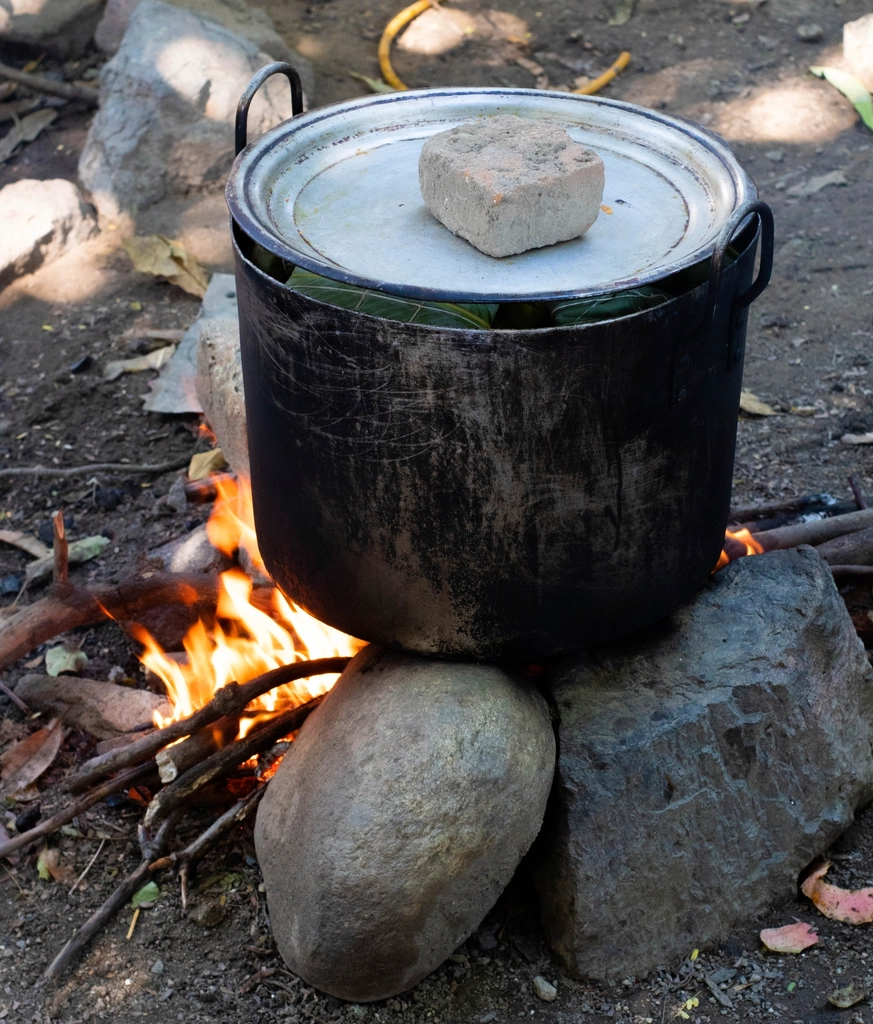

Why food outdoors turns a group of people into a group
There is a particular kind of quiet that happens about twenty minutes into an outdoor meal. Everyone has a plate. The wind has picked up slightly. Someone is still poking at the fire out of habit rather than necessity. Nobody is checking a phone, because there is nothing to check, and the conversation has slowed into something better than small talk.
You cannot manufacture that in a restaurant. It comes from the work — carrying the cooler, cutting onions on a picnic table, waiting for water to boil at a pace that has nothing to do with your schedule. Cooking outdoors with other people is one of the most reliable community-building activities there is, and it is far easier than the gear catalogs suggest. You do not need a camp kitchen. You need a plan, one pot, and a willingness to let dinner take an hour.
Start by deciding what kind of outdoor meal this is
Most disasters come from mismatched expectations. Someone imagined a leisurely three-course cookout; someone else packed for a fast trailside lunch. Name the format out loud before anyone shops.
- The tailgate spread. A car is nearby, so weight does not matter. You can bring a cutting board, a cast iron pan, real plates, and a cooler with ice. This is the most forgiving format and the best one for a first group cook.
- The trailhead picnic. Everything is carried a short distance and eaten cold or at room temperature. No fire, no fuel, minimal cleanup. Ideal for large groups and mixed ages.
- The one-pot camp dinner. A single stove, a single pot, and one person watching it. Feeds six to eight if the recipe is chosen for it. This is the workhorse.
- The trail stove lunch. Backpacking style, everything in packs, boiling water for individual meals. Fast, light, and social in a different way, because everyone is sitting on rocks in a loose circle.
- The fire cook. Coals, foil packets, grilling. The most atmospheric and the least predictable. Do it when the group has time and someone present has done it before.
Pick one. Write it in the group message. Half the friction disappears immediately.
Feeding a group without a camp kitchen
The single most useful lesson from cooking outside for groups is that complexity does not scale. A dish with four components and precise timing works beautifully for two people at home and falls apart when you are feeding nine on a folding table in fading light.
The one-pot rule
Choose meals where everything ends up in the same vessel. Chili, curry over rice, pasta with a sauce built in the same pot, hearty soups, a big skillet of vegetables and sausage. One pot means one heat source, one thing to watch, one thing to wash, and no coordination problem.
Do the knife work at home
Chop the onions, peppers, and garlic in your kitchen the night before and bring them in containers. Measure spices into small bags or a jar. Cook the rice or the pasta ahead if the recipe allows reheating. What you are really doing is moving all the fiddly, fingertip-cold, poorly-lit work into a place with a sink and good lighting, so that on site you are only combining and heating.
Plan for one and a half portions per person
People eat more outdoors. Cold air, walking, and the general effect of being outside all increase appetite noticeably. Running out of food is the one failure a group actually remembers, and leftovers are easy to deal with. Overshoot.
The equipment that earns its space
Outdoor cooking gear is a category designed to sell you things. The list of what genuinely matters is short.
- One big pot, bigger than you think. A six to eight quart pot with a lid handles group volumes. A pot too small is the most common gear mistake, because a pot filled to the rim cannot be stirred and boils over constantly.
- A stove with real output. A small backpacking canister stove struggles to bring eight quarts to a boil in wind. For groups near a car, a two-burner propane stove or a single high-output burner is worth the bulk.
- A windscreen, or a wind plan. Wind is the reason food takes forever outdoors. Position the stove behind a cooler, a car door, or a rock. This one adjustment can cut boil times roughly in half.
- A long spoon and a real knife. A short spoon puts your hand over a hot pot. A dull knife in a stranger’s hands on an uneven table is genuinely dangerous.
- Two dish tubs and biodegradable soap. One for washing, one for rinsing. This is the difference between cleanup taking ten minutes and cleanup taking forty.
- A headlamp for the cook. Dinner always finishes later than planned, and holding a phone flashlight in your teeth while stirring is a rite of passage nobody needs twice.
Food safety that actually applies outside
Home kitchen rules translate imperfectly to a picnic table in July. A few specifics matter more than general caution.
The temperature range where bacteria multiply fastest sits roughly between forty and one hundred forty degrees Fahrenheit. Food sitting in that range for more than two hours is a real risk, and in hot weather — above ninety degrees — that window drops to about one hour. This is why the potato salad advice exists, and why it is worth taking seriously at a summer gathering where the spread sits out while people drift back from a hike.
- Pack two coolers. One for drinks, which gets opened constantly, and one for food, which stays shut. A cooler opened every four minutes is a warm box with ice in it.
- Freeze what you can. Frozen meat and frozen water bottles act as extra ice and thaw in time for dinner. Pack in reverse order of use.
- Separate raw and ready. Bring a dedicated cutting board or a folding mat for raw meat, and keep it physically apart from the vegetable prep. Cross-contamination is the outdoor risk people forget.
- Bring more water than the recipe needs. Cooking water, cleanup water, and drinking water add up quickly, and many trailheads have no potable source at all.
- Hand washing before, not just after. A jug with a spigot, soap, and a towel takes almost no space and changes the whole hygiene picture for a group.
Cooking for a group where not everyone eats the same way
Any gathering of eight will include someone who does not eat meat, someone avoiding gluten, someone with a serious nut allergy, and a child who considers sauce a personal insult. Handled badly, this produces three separate meals and a stressed cook. Handled well, it barely registers.
The technique is to build a base plus toppings. Cook a large pot of something that is naturally free of the common allergens — a bean and vegetable chili, a rice and lentil dish, a big pot of vegetable soup — and then set out the additions separately. Shredded cheese, sour cream, cooked sausage, tortillas, nuts, hot sauce. Everyone assembles their own bowl. One pot, one cook, and everyone gets fed without anyone being singled out.
Ask about allergies in advance and in writing, not around the table. A nut allergy in particular needs to be known before shopping, because it changes what can be in the cooler at all. And keep original packaging or a photo of the ingredient label for anything processed; someone will need to check.
Leave no trace at the table
Outdoor cooking generates more waste than any other outdoor activity, and food waste in particular has consequences that outlast your visit. Crumbs and scraps train wildlife to associate people with meals, and an animal that learns that lesson usually ends badly.
- Pack out every scrap, including the organic ones. Orange peels and apple cores take months to break down and are not native to most places you will eat. A dedicated trash bag with a wide mouth, hung or clipped somewhere obvious, catches most of it.
- Strain your dishwater. Pour the water through a mesh strainer, pack the solids into the trash, and scatter the gray water broadly at least two hundred feet from any stream or lake.
- Sweep the site before you leave. Walk the eating area in a slow circle looking down. There is always a bottle cap, a twist tie, and a fork.
- Use the existing fire ring, or no fire at all. New rings scar a site permanently, and in many seasons and many places fires are simply not allowed. Check the current restrictions the morning of, not the week before.
- Store food overnight properly. Where bears are present that means a canister or a locker, not a cooler in a tent. Where they are not, raccoons and rodents will still find anything left on a table.
Making it a recurring thing
A single memorable cookout is nice. A monthly one changes a neighborhood. The groups that manage to keep it going tend to share a few habits worth stealing.
They fix the date rather than negotiating it, usually something like the first Saturday of the month, so nobody has to coordinate calendars. They rotate the cook, which spreads the work and quietly turns the meal into a small friendly showcase of what people know how to make. They keep a shared box of communal gear — the big pot, the tubs, the tongs, the tablecloth — that lives in one person’s garage and gets passed along.
And they keep the ambition low. The most durable outdoor cooking traditions are built on chili and hot dogs, not on ambitious menus. The food is the excuse. What people show up for is the hour afterward, when the plates are stacked, the light has gone orange, and nobody quite wants to be the first to say they should probably get going.
Pick a park with a table. Send the message. Bring a pot that is too big.
