

A good game of beach needs very little: a bucket, a few towels, some shells, and a flat patch of sand. The best choice depends on how many people you have, how old they are, and whether you want to carry any gear at all. This guide helps you pick quickly and run the game without fuss.
How do you choose a beach game for your group?
Start with three questions. How many people are playing? What ages are in the mix? How much do you want to carry from the car to the sand? The answers narrow the field fast.
A small family with young children usually does best with short, low-pressure games that nobody can really lose: hunting for shells, drawing in the sand, filling buckets. A mixed group of teenagers and adults tends to enjoy team games with a clear finish line, because the competition gives everyone a reason to join in.
Think about the setting too. A crowded beach leaves little room for running games, while a wide, quiet stretch lets you set up a race course. Before you start, look at the ground and the people around you, then choose a spot where nobody will get in the way of other beachgoers.
- Young children: short games, simple rules, no elimination.
- Mixed ages: team games where older players take the harder role.
- Adults only: contests with a judge and a time limit.
- Minimal gear: anything built around shells, sand, and your own feet.
Which beach games work with a few simple props?
A bucket, a few cups, and some beach towels open up a lot of options. These are the ones worth packing for.
Water relay
Set a large bucket well away from the waterline for each team, and give each player a small bucket. One at a time, players run to the water, fill up, run back, and tip the water into the team bucket. The first team to fill its bucket wins. You control the difficulty with distance: place the big buckets farther back for adults, closer for small children.
Cup-balance race
Players race to a finish line while balancing a cup of water on their heads. Fill the cups close to the top so spills are almost guaranteed, which is half the fun. If two players finish together, the one with more water left in the cup wins. Younger children can hold their cups with a hand while older players go hands-free.
Sandcastle or sand sculpture contest
Split into teams, or let everyone work alone. Swapping judges halfway through works well: kids judge the adults, then the adults judge the kids. Without molds, switch to sand sculptures of sea creatures and other ocean shapes.
Musical beach towels
This is musical chairs on the sand. Lay out one fewer towel than there are players, run the music, and stop it without warning. Whoever has no towel is out, and a towel is removed each round. If you only have one blanket, mark spots around its edge for players to claim.
What can you play with no equipment at all?
Sometimes the best plan is to bring nothing. The beach supplies shells, stones, and sand, and that is enough for several games.
Shell hunts
A shell hunt can be shaped in many ways. Describe a particular shell and let everyone race to find it. Give a time limit and see who collects the most. Or challenge players to gather enough shells to spell a name. A pail helps but is not required. Afterward, go through the finds together and keep a few favorites, or return the rest to the sand and water.
A beach scavenger hunt
Call out a list of things you would normally see on a beach, and have players find them. You can adjust the pace: add a time limit for a competitive version, or let small children wander at their own speed with an adult nearby.
Sand hopscotch
Draw a hopscotch grid in the sand and use a stone or shell as the marker. If the dry sand is too hot for bare feet, draw the grid closer to the water, where the surface is cooler and firmer. It is a good option for restless young children, and it keeps them busy while adults pack up.
River race
Dig a few small trenches running toward the water, fill them, and race lightweight shells as boats. Shorter, shallower trenches need less water, so you can run more races. When you finish, fill the trenches back in so nobody trips on them later.
How do you keep a beach game safe and fair?
Beach games are low-risk, but a few habits prevent most problems.
- Check the ground first. Walk the play area and pick up anything sharp, such as broken shell edges or litter, before running games begin.
- Keep games away from deep water. Games that go to the water’s edge should have an adult watching, especially with young children.
- Fill in holes and trenches. Anything you dig can trip someone walking by later.
- Plan for heat and sun. Schedule active games in shorter bursts, offer water between rounds, and rotate players to the shade.
- Make the rules clear before you start. A one-sentence explanation of the goal and the finish line prevents most arguments.
To keep things fair across ages, give older or stronger players a handicap: a longer run, a full cup, or the harder role on the team. Children stay interested when they have a real chance of winning, and adults usually enjoy the extra challenge.
How can you turn a beach game into a repeatable group activity?
If you are organizing for a youth group, a family reunion, or a community outing, a few small choices make the day easier to repeat.
Choose three or four games and run them in a fixed order, starting with a high-energy one and ending with something calm, such as a shell hunt or sand sculpture contest. Keep each game short, and adjust to the mood in front of you.
Pack a small kit that stays together: a few buckets, plastic cups, a couple of towels, and a mesh bag for shells. Having it ready means a beach trip takes no extra planning. If the group includes people with limited mobility, favor games that can be played seated or standing in place, like sculpture contests and shell sorting, and read the notes on making outdoor activities work for every body.
Finally, take a few shells home. Using them in a simple craft afterward extends the outing and gives the group something to remember it by.
Frequently asked questions
What is the easiest beach game to start with?
A shell hunt is the simplest. It needs no equipment, no setup, and works for nearly any age. You can add a time limit or a challenge, like spelling a name with the shells, to make it more competitive.
Which beach games work for toddlers and older kids together?
Sandcastle building, sand hopscotch, and a casual treasure hunt all scale well. Younger children can play at their own pace while older ones take on harder versions, such as a time limit or balancing cups of water.
What should you bring for beach games?
A few buckets, plastic cups, and towels cover most games, and a pail and shovel make shell hunting easier. If you would rather carry nothing, shell hunts, scavenger hunts, and hopscotch all use only what the beach already offers.
How do you avoid injuries during beach games?
Check the play area for sharp objects, keep an adult watching near the water, and fill in any holes or trenches when you finish. Short rounds with water breaks also reduce heat-related problems.
Related reading
- Walking After Dark: What the Evening Gives You
- Family Adventure Days: Reconnect, Recharge, and Explore Together
Sources
- Fun Family Beach Games | Ocean City NJ (oceancityvacation.com, accessed 2026-11-04)
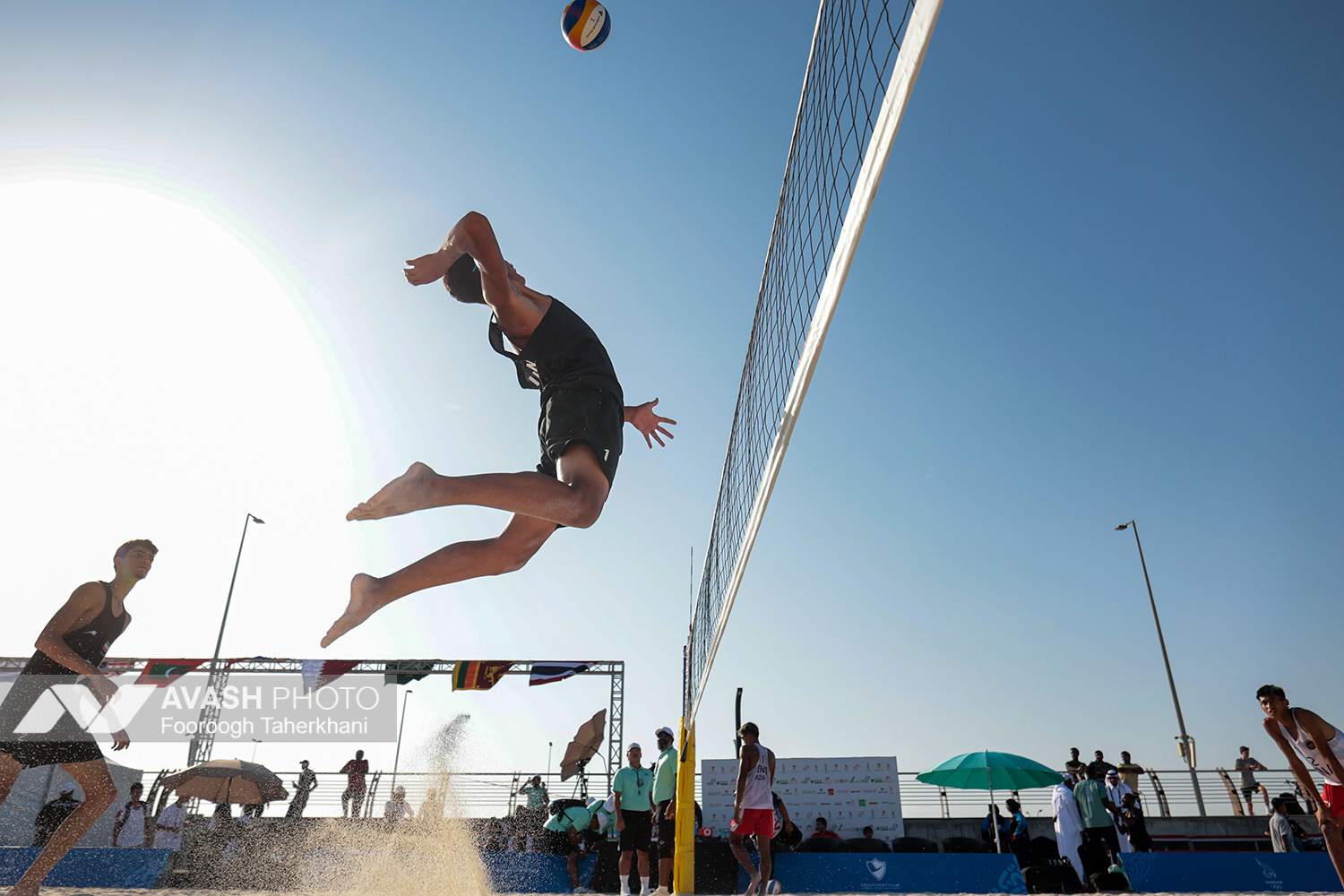
Photo: 2025 Bahrain Youth Asian Games Boys’ Beach Volleyball Iran-Indonesia Avash 06, by Fooroogh Taherkhani, CC BY 4.0 (Wikimedia, via Openverse)
