

The forecast is not an instruction
Somewhere around a forty percent chance of rain, most plans quietly dissolve. Someone sends the message that starts with a weather emoji, someone else replies that we can always do it next week, and the walk that four people were looking forward to becomes an afternoon indoors that nobody particularly enjoyed either.
The habit of only going out in good conditions has a hidden cost. In most of the country, if you require pleasant weather, you get somewhere between forty and eighty usable days a year, and they are not evenly spaced. Everything you are trying to build — a walking group, a family routine, a body that moves every day — needs more consistency than that. Learning to go out anyway is less about toughness than it is about a short list of decisions made before you leave the house.
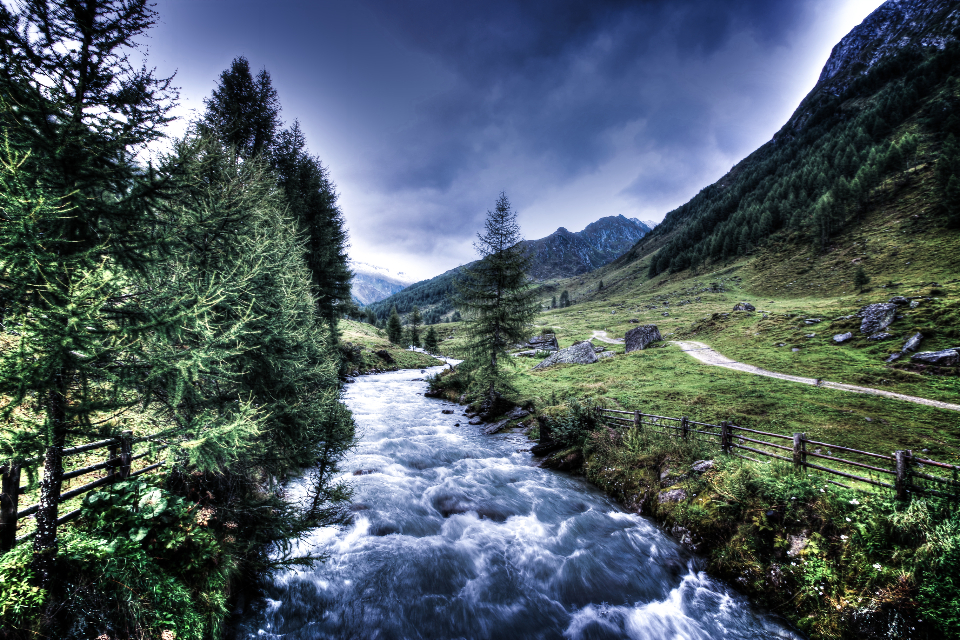
And there is a reward that surprises people. A trail in the rain is empty, the light is strange and good, the smells are stronger, and the walk becomes a story rather than an errand. Some of the best hours you will spend outside will happen on days you almost stayed home.
The first question: is this uncomfortable or is it dangerous?
Everything depends on separating these two, and most people conflate them. Discomfort is wet feet, a cold nose, and hair plastered to your forehead. Danger is a different category with specific, recognizable triggers.
- Lightning is the one true stop. There is no gear answer and no toughness answer. If you can hear thunder, you are within striking distance. Get off ridges, out of open fields, and away from isolated tall trees, and wait thirty minutes after the last rumble before resuming.
- Wet plus wind plus cool is the hypothermia recipe. The dangerous range is not deep winter. It is forty to fifty degrees with rain and wind, when people underdress because the number does not sound cold. Wet cotton in wind pulls heat out of a body remarkably fast.
- Heat with high humidity removes your cooling system. Sweat only helps when it evaporates. At high humidity it does not, and the body loses its main defense. Heat index matters far more than temperature.
- Moving water is the most underestimated hazard. Six inches of fast water can take your feet out. A creek crossing that was ankle deep on the way in can be impassable after an hour of upstream rain.
- High wind means falling limbs. Sustained wind above roughly thirty miles per hour makes wooded trails genuinely risky, especially after a wet spell has loosened root systems.
- Ice is a hard no on slopes. Flat ground with traction devices is fine. Any grade with a runout is where outings become injuries.
If none of those apply, what you have is a comfort problem, and comfort problems have solutions.
Staying dry, or at least staying warm while wet
The honest truth about rain gear is that in sustained rain and any real exertion, you will end up damp regardless. The goal is not to stay perfectly dry. It is to stay warm and to control where the water goes.
The one rule about cotton
Cotton holds many times its weight in water, loses essentially all insulating value when wet, and takes a very long time to dry. Wool and synthetics keep working damp. This applies to socks and underlayers more than anything else, because those are the layers against your skin. Changing your socks is the single highest-return gear decision most people can make.
Layers, in the order that works
A thin wicking base layer next to the skin, an insulating middle layer you can add or remove, and a wind and water resistant shell on the outside. The middle layer is the one you adjust; the other two mostly stay put. Start your walk feeling slightly too cool, because you will warm up within ten minutes and overheating leads to sweat, which leads to being cold later.
The details that decide the day
- A brimmed hat under the hood. A hood alone leaves rain running down your face and forces you to look at your feet. A stiff brim keeps your eyes clear and your head up, which changes the entire experience of walking in rain.
- Waterproof feet or fast-draining feet, not in between. Boots that keep water out also keep water in once it comes over the top. In persistent wet, many experienced walkers switch to shoes that drain and dry, plus wool socks, and accept wet feet from the start.
- Pit zips beat fabric ratings. The ability to dump heat through underarm vents matters more in practice than the technical specification on the jacket.
- Bring one dry thing in a bag. A spare pair of socks and a warm hat, sealed in a plastic bag at the bottom of the pack. It weighs nothing and it is what turns a miserable ending into a good one.
- Dry clothes waiting in the car. The most appreciated preparation in outdoor life. The walk is remembered by how the last ten minutes felt.
Heat, which is the more dangerous bad weather
Rain gets all the attention, but heat causes far more serious outdoor incidents. It also creeps up, because the early symptoms feel like ordinary tiredness.
Shift your timing rather than your ambition. In summer, start at first light and be finished by mid-morning; the difference between six in the morning and noon is often twenty-five degrees and complete shade versus none. Drink before you are thirsty, because thirst lags dehydration by a considerable margin, and add electrolytes on long or sweaty efforts — water alone over several hours can dilute your sodium in ways that make you feel worse, not better.
Learn the warning progression. Heavy sweating, cramps, headache, and nausea signal heat exhaustion, and the response is immediate: stop, shade, water, and cool the neck and wrists. Confusion, stumbling, or skin that has gone hot and dry when it should be sweating is heat stroke, which is a medical emergency and not something to walk out of. In a group, the person in trouble is usually the last to recognize it, which is why somebody else needs to be watching.
Mud, trail damage, and going out responsibly
There is one situation where going anyway is genuinely the wrong call, and it has nothing to do with your comfort. Walking on saturated trails causes real, lasting damage.
When a soft-surface trail is holding water, every footstep displaces soil. Worse, walkers who step around a puddle to keep their shoes clean widen the trail a little each time, and a season of that turns a two-foot path into a six-foot scar with a permanent channel down the middle. The counterintuitive rule that every trail organization teaches is this: walk straight through the mud, not around it. Your boots wash. The trail does not repair itself.
- Check for closures first. Many parks close soft trails during thaw and after heavy rain, and post it online the same morning. Mountain bike and equestrian groups often maintain the most current trail-condition pages in a region.
- Favor hard surfaces when it is truly soaked. Paved greenways, gravel rail trails, and boardwalks take rain without damage and are the right answer for the day after a storm.
- Spring thaw is the worst window. Frozen ground thawing from the top down produces a saturated layer over an impermeable one, and trails are at their most fragile for those few weeks.
- Gaiters and old shoes remove the excuse. If you have a designated pair of shoes that are already ruined, walking through the puddle stops being a decision.
Keeping a group out when the weather turns
Weather is where group outings break down, because a group makes decisions badly. Everyone waits for someone else to say what they are thinking, and nobody wants to be the one who suggests quitting.
Fix that with rules agreed in advance. Set a go or no-go standard before the season starts and publish it: we walk in rain, we walk in cold, we cancel for lightning and ice. Then stop renegotiating every week. Groups that debate the weather every time slowly stop meeting; groups with a standing rule keep going for years.
Have a designated turnaround time, not just a turnaround point, and give one person the explicit job of calling it. Naming that role removes the social cost, because they are not being negative, they are doing the task they were assigned. Build in an escape option too — a loop with a bailout at the halfway point, or a route that passes back near the cars, so shortening is a normal choice rather than a defeat.
And plan the ending. Coffee afterward, or soup, or somebody’s kitchen. On a bad-weather day the promise of something warm at the end does more for attendance than any amount of encouragement about health benefits.
The mindset that makes the rest of it work
All the gear in the world will not get you out the door. What does is a small reframe: the decision to go is separate from the decision about how far. Commit only to stepping outside and walking for ten minutes. You keep the right to turn around at any point, with no explanation owed to anyone.
What happens in practice is that almost nobody turns around. The dread of bad weather is nearly always worse than the experience of it, and the shift usually happens within the first few minutes, once you discover that the rain is not actually cold and your jacket is doing its job. The Scandinavian saying about there being no bad weather, only bad clothing, is repeated so often it has gone stale, but it survives because it is basically accurate.
There is also something worth keeping about the days you would rather have skipped. They accumulate differently in memory. Nobody tells stories about the seventy-two degree Saturday with light cloud cover. They tell stories about the walk in the downpour, the group that laughed the entire way back, and the way the whole thing felt slightly ridiculous and completely worth it.
Look at the forecast this week. Find the worst afternoon on it. Put a walk there on purpose.
